Attended Leaders Meeting with Securities Commission, Central Bank & Ministry of Public Security
Korean ZEKTO Sits Alongside Vietnam's Three Regulatory Pillars… Shoulder to Shoulder with Tether, Binance & Vietnam's Top 5 Exchanges on 'Digital Asset Institutionalization'
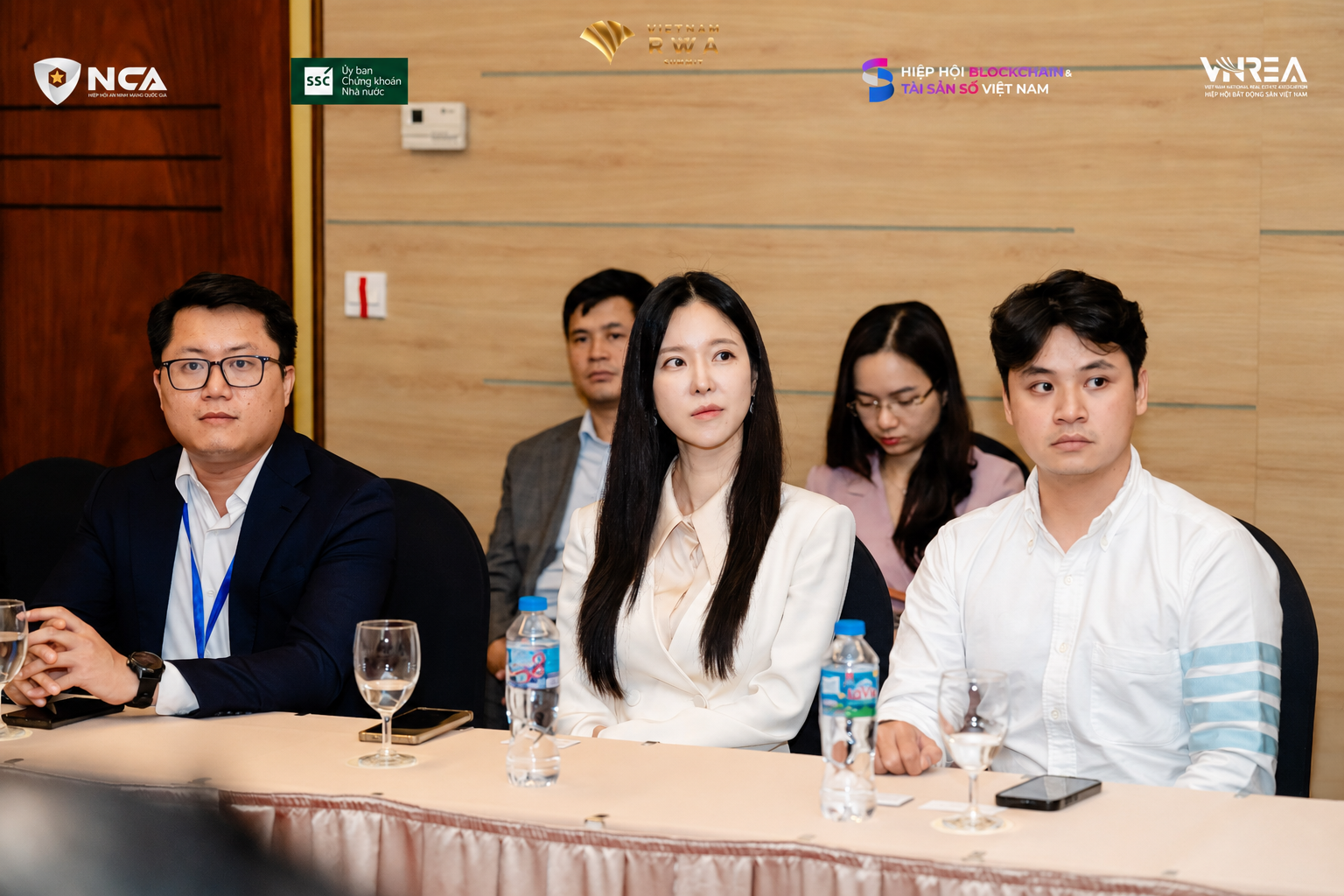
Vietnam has moved decisively toward becoming an 'Asian Digital Finance Hub', building on its real-world asset tokenization (RWA) and stablecoin regulatory frameworks. In particular, a closed-door meeting attended by Vietnamese financial authorities and global top-tier companies has drawn significant industry attention, as it marked the first time that concrete operating conditions and regulatory guidelines for Vietnam's digital asset market have taken shape. Amid this, the sole Korean AI and blockchain venture invited to the meeting shared a settlement infrastructure model aligned with the authorities' policy direction, securing a practical channel for the export of K-Blockchain.
According to industry sources on the 24th, a closed-door 'Leaders Meeting' involving senior Vietnamese regulators and global leaders was held on the 18th at the 'Vietnam RWA Summit 2026' in Hanoi. Co-chaired by the State Securities Commission (SSC), the Anti-Money Laundering Department of the State Bank of Vietnam (SBV), and the Economic Crime Investigation Department of the Ministry of Public Security (C03), the meeting was attended by only 22 key institutions and companies — including global exchanges such as Tether, Binance, and OKX, as well as exchanges that have passed Vietnam's preliminary licensing process — to coordinate the detailed requirements of the sandbox.
◆ Exchange Licensing Condition: 'VND 10 Trillion in Capital'… Key Focus on VND Stablecoin Issuance Structure
The central topics of discussion were the stable establishment of pilot exchanges and measures to secure liquidity. It was shared that Vietnamese authorities are currently processing licensing procedures for five pilot digital asset exchanges, and that formal licensing requires Level 4 information system security certification from the Ministry of Public Security, as well as a minimum capital injection of VND 10 trillion.
In-depth discussions were also held on the issuance of Vietnamese dong (VND)-based stablecoins to ensure ample liquidity. Notably, a 'role-sharing model' attracted attention: rather than global tech companies issuing stablecoins directly, a structure in which locally licensed banks handle issuance and reserve asset management, while global firms such as Tether provide technology platforms and market maker (MM) networks, was seriously considered. Authorities demanded that companies provide clear proof of a business model demonstrating how stablecoins could connect with 'real demand' — beyond simply serving as a reference currency — including foreign investment, tourist spending, and overseas remittances.

◆ "Law Before Technology"… Asset-Specific Precision Regulation Foreshadowed for RWA
Regarding RWA tokenization, the overarching principle established was that "legal review of the underlying asset takes precedence over technological issuance." This is because the applicable laws and supervisory bodies differ depending on the type of asset.
Specific guidelines were discussed at the meeting: ▲for real estate, land and building ownership rights and foreign ownership restrictions must first be clarified; ▲for gold, reserve asset custody, the central bank's jurisdiction, and physical redemption structures must be addressed; ▲for stocks and derivatives, whether existing securities law applies must be determined first. There was broad consensus that, in order to verify asset authenticity and prevent duplicate issuance, the initial approach should proceed step by step, starting with limited proof-of-concept (PoC) projects centered on major financial institutions.
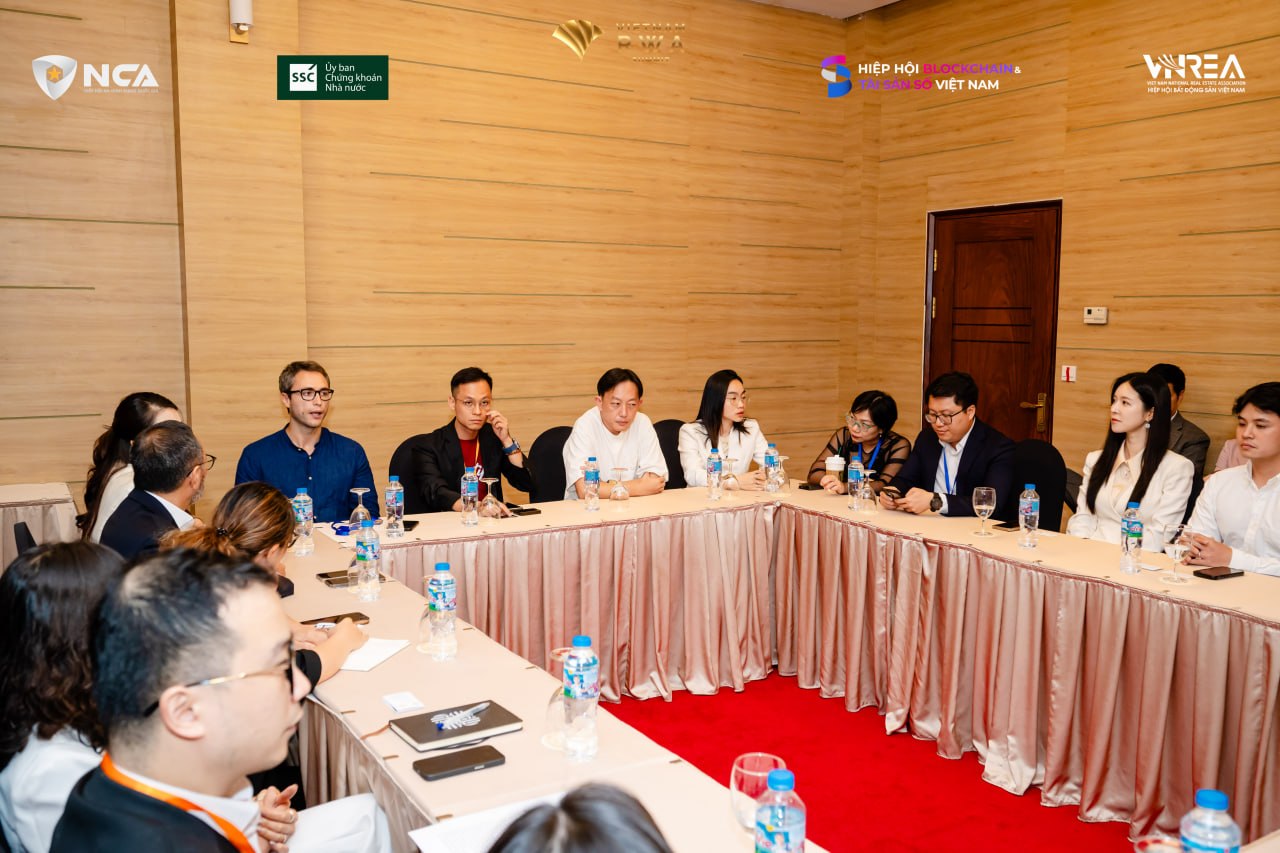
◆ 'Merchants Receive Legal Tender Even When Paid in Crypto'… Da Nang Sandbox Blueprint Aligns with ZEKTO's Direction
One of the most hotly debated practical agenda items at the closed-door meeting was the specific mechanics of the 'Da Nang Payment Sandbox'. While Vietnamese authorities are eager to attract foreign tourists and digital asset liquidity, they simultaneously face a strict regulatory dilemma: they must defend existing foreign exchange control regulations and protect the status of the national legal tender (VND).
The consensus reached at the table by regulators and global players was clear: rather than having merchants directly receive virtual assets, a workaround structure was agreed upon whereby users pay in digital assets, technology companies verify only the transaction data, and locally licensed exchanges and banks immediately convert the funds, with merchants receiving final settlement in local currency (VND).
What is noteworthy is that the core business model of ZEKTO — the sole Korean company invited to attend — aligns precisely with this 'non-custodial settlement structure'. ZEKTO has developed a B2B security infrastructure that connects external wallets and existing financial networks without directly holding customer assets. It is a model that addresses the blind spots in anti-money laundering and foreign exchange management that Vietnamese authorities are concerned about, using data intermediation technology based on its own blockchain, 'KONET'.
In fact, ZEKTO has been pursuing the construction of a stablecoin settlement infrastructure for overseas visitors through this same structure domestically. Most recently, the company presented at the 'Republic of Korea Strategic Economy Forum', co-hosted by the Ministry of Economy and Finance and the Korea Institute for Industrial Economics and Trade (KIET), analyzing structural changes in stablecoins within the global market and proposing policy solutions, demonstrating active participation in domestic institutionalization discussions. The technological capability and policy understanding gained from proactively analyzing and preparing for the common regulatory hurdles faced by both countries proved invaluable at the practical discussion table for designing Vietnam's sandbox.
Lee Yu-jin, who previously served as Secretary-General of the Vietnam National Administration of Tourism's Representative Office in Korea and experienced firsthand the absence of a cross-border settlement network, has fully channeled her analysis of shifting global regulatory paradigms — honed during her career as a specialist economic broadcast analyst — into ZEKTO's Vietnam market entry strategy.
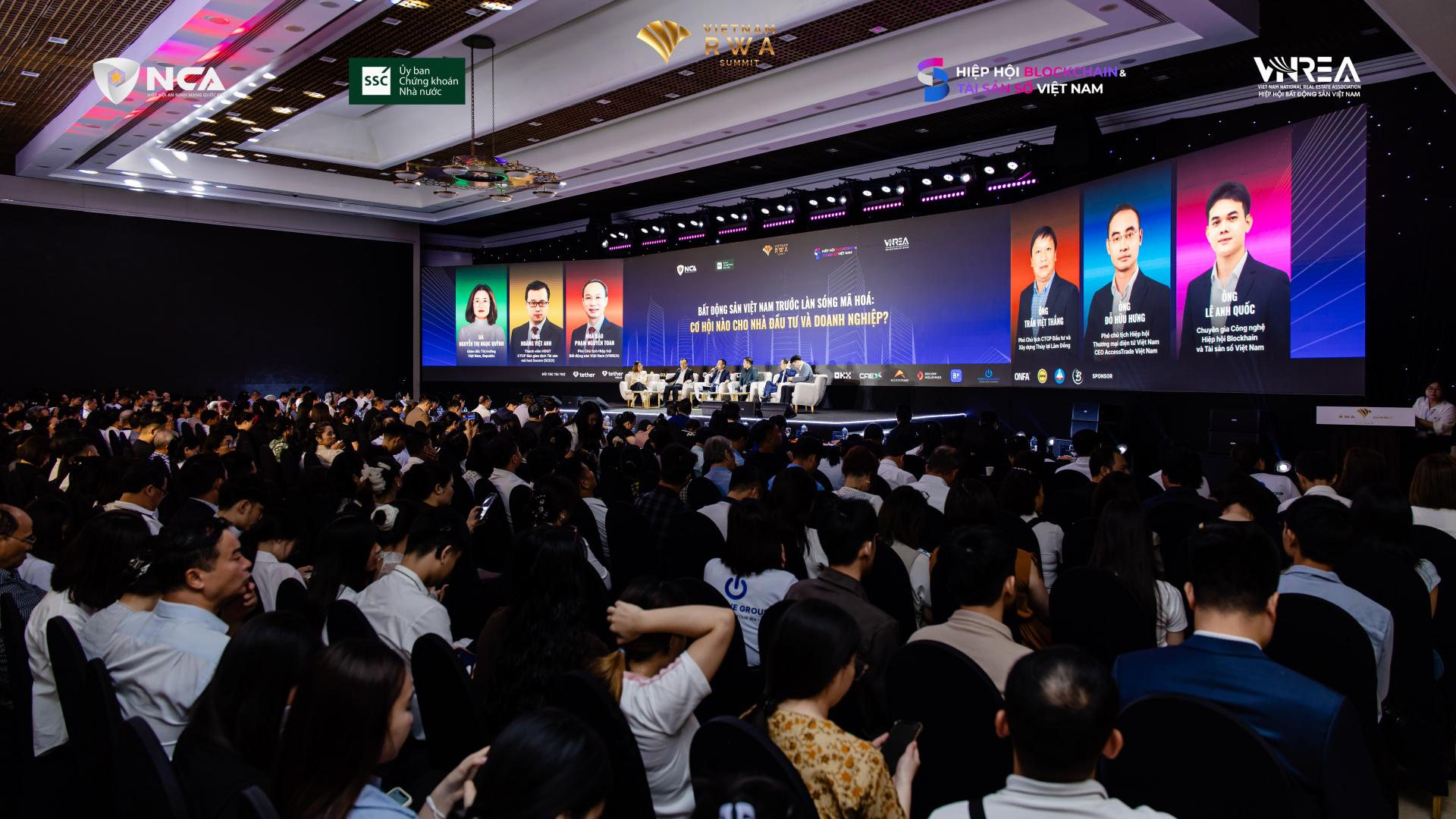
"Through this meeting, we clearly confirmed that Vietnamese authorities are designing digital assets not merely as objects of speculation, but as 'institutional infrastructure' connected to the real economy. Through non-custodial technology that meets the high standards of security and compliance demanded by the authorities, we will accelerate practical consultations with local Vietnamese financial institutions and exchanges going forward."
Lee Yu-jin, CEO of ZEKTO
Source: ZEKTO
※ This media has been translated using AI and is based on content from direct participation in the event.


Attended Leaders Meeting with Securities Commission, Central Bank & Ministry of Public Security
Korean ZEKTO Sits Alongside Vietnam's Three Regulatory Pillars… Shoulder to Shoulder with Tether, Binance & Vietnam's Top 5 Exchanges on 'Digital Asset Institutionalization'

Vietnam has moved decisively toward becoming an 'Asian Digital Finance Hub', building on its real-world asset tokenization (RWA) and stablecoin regulatory frameworks. In particular, a closed-door meeting attended by Vietnamese financial authorities and global top-tier companies has drawn significant industry attention, as it marked the first time that concrete operating conditions and regulatory guidelines for Vietnam's digital asset market have taken shape. Amid this, the sole Korean AI and blockchain venture invited to the meeting shared a settlement infrastructure model aligned with the authorities' policy direction, securing a practical channel for the export of K-Blockchain.
According to industry sources on the 24th, a closed-door 'Leaders Meeting' involving senior Vietnamese regulators and global leaders was held on the 18th at the 'Vietnam RWA Summit 2026' in Hanoi. Co-chaired by the State Securities Commission (SSC), the Anti-Money Laundering Department of the State Bank of Vietnam (SBV), and the Economic Crime Investigation Department of the Ministry of Public Security (C03), the meeting was attended by only 22 key institutions and companies — including global exchanges such as Tether, Binance, and OKX, as well as exchanges that have passed Vietnam's preliminary licensing process — to coordinate the detailed requirements of the sandbox.
◆ Exchange Licensing Condition: 'VND 10 Trillion in Capital'… Key Focus on VND Stablecoin Issuance Structure
The central topics of discussion were the stable establishment of pilot exchanges and measures to secure liquidity. It was shared that Vietnamese authorities are currently processing licensing procedures for five pilot digital asset exchanges, and that formal licensing requires Level 4 information system security certification from the Ministry of Public Security, as well as a minimum capital injection of VND 10 trillion.
In-depth discussions were also held on the issuance of Vietnamese dong (VND)-based stablecoins to ensure ample liquidity. Notably, a 'role-sharing model' attracted attention: rather than global tech companies issuing stablecoins directly, a structure in which locally licensed banks handle issuance and reserve asset management, while global firms such as Tether provide technology platforms and market maker (MM) networks, was seriously considered. Authorities demanded that companies provide clear proof of a business model demonstrating how stablecoins could connect with 'real demand' — beyond simply serving as a reference currency — including foreign investment, tourist spending, and overseas remittances.
◆ "Law Before Technology"… Asset-Specific Precision Regulation Foreshadowed for RWA
Regarding RWA tokenization, the overarching principle established was that "legal review of the underlying asset takes precedence over technological issuance." This is because the applicable laws and supervisory bodies differ depending on the type of asset.
Specific guidelines were discussed at the meeting: ▲for real estate, land and building ownership rights and foreign ownership restrictions must first be clarified; ▲for gold, reserve asset custody, the central bank's jurisdiction, and physical redemption structures must be addressed; ▲for stocks and derivatives, whether existing securities law applies must be determined first. There was broad consensus that, in order to verify asset authenticity and prevent duplicate issuance, the initial approach should proceed step by step, starting with limited proof-of-concept (PoC) projects centered on major financial institutions.
◆ 'Merchants Receive Legal Tender Even When Paid in Crypto'… Da Nang Sandbox Blueprint Aligns with ZEKTO's Direction
One of the most hotly debated practical agenda items at the closed-door meeting was the specific mechanics of the 'Da Nang Payment Sandbox'. While Vietnamese authorities are eager to attract foreign tourists and digital asset liquidity, they simultaneously face a strict regulatory dilemma: they must defend existing foreign exchange control regulations and protect the status of the national legal tender (VND).
The consensus reached at the table by regulators and global players was clear: rather than having merchants directly receive virtual assets, a workaround structure was agreed upon whereby users pay in digital assets, technology companies verify only the transaction data, and locally licensed exchanges and banks immediately convert the funds, with merchants receiving final settlement in local currency (VND).
What is noteworthy is that the core business model of ZEKTO — the sole Korean company invited to attend — aligns precisely with this 'non-custodial settlement structure'. ZEKTO has developed a B2B security infrastructure that connects external wallets and existing financial networks without directly holding customer assets. It is a model that addresses the blind spots in anti-money laundering and foreign exchange management that Vietnamese authorities are concerned about, using data intermediation technology based on its own blockchain, 'KONET'.
In fact, ZEKTO has been pursuing the construction of a stablecoin settlement infrastructure for overseas visitors through this same structure domestically. Most recently, the company presented at the 'Republic of Korea Strategic Economy Forum', co-hosted by the Ministry of Economy and Finance and the Korea Institute for Industrial Economics and Trade (KIET), analyzing structural changes in stablecoins within the global market and proposing policy solutions, demonstrating active participation in domestic institutionalization discussions. The technological capability and policy understanding gained from proactively analyzing and preparing for the common regulatory hurdles faced by both countries proved invaluable at the practical discussion table for designing Vietnam's sandbox.
Lee Yu-jin, who previously served as Secretary-General of the Vietnam National Administration of Tourism's Representative Office in Korea and experienced firsthand the absence of a cross-border settlement network, has fully channeled her analysis of shifting global regulatory paradigms — honed during her career as a specialist economic broadcast analyst — into ZEKTO's Vietnam market entry strategy.
Source: ZEKTO
※ This media has been translated using AI and is based on content from direct participation in the event.